



News
Government Risks Betting Shops, Thousands of Jobs and British Racing for the Equivalent of 13 Days of Asylum Costs
The Treasury is weighing a 40% Machine Games Duty rate on Category B machines. Bookmakers say it would close hundreds of shops and cost thousands of jobs, for revenue worth roughly 13 days of asylum related spending.
21 SEPTEMBER 2026
Head Sports Analyst
About 8 min listen, read by a realistic UK voice.
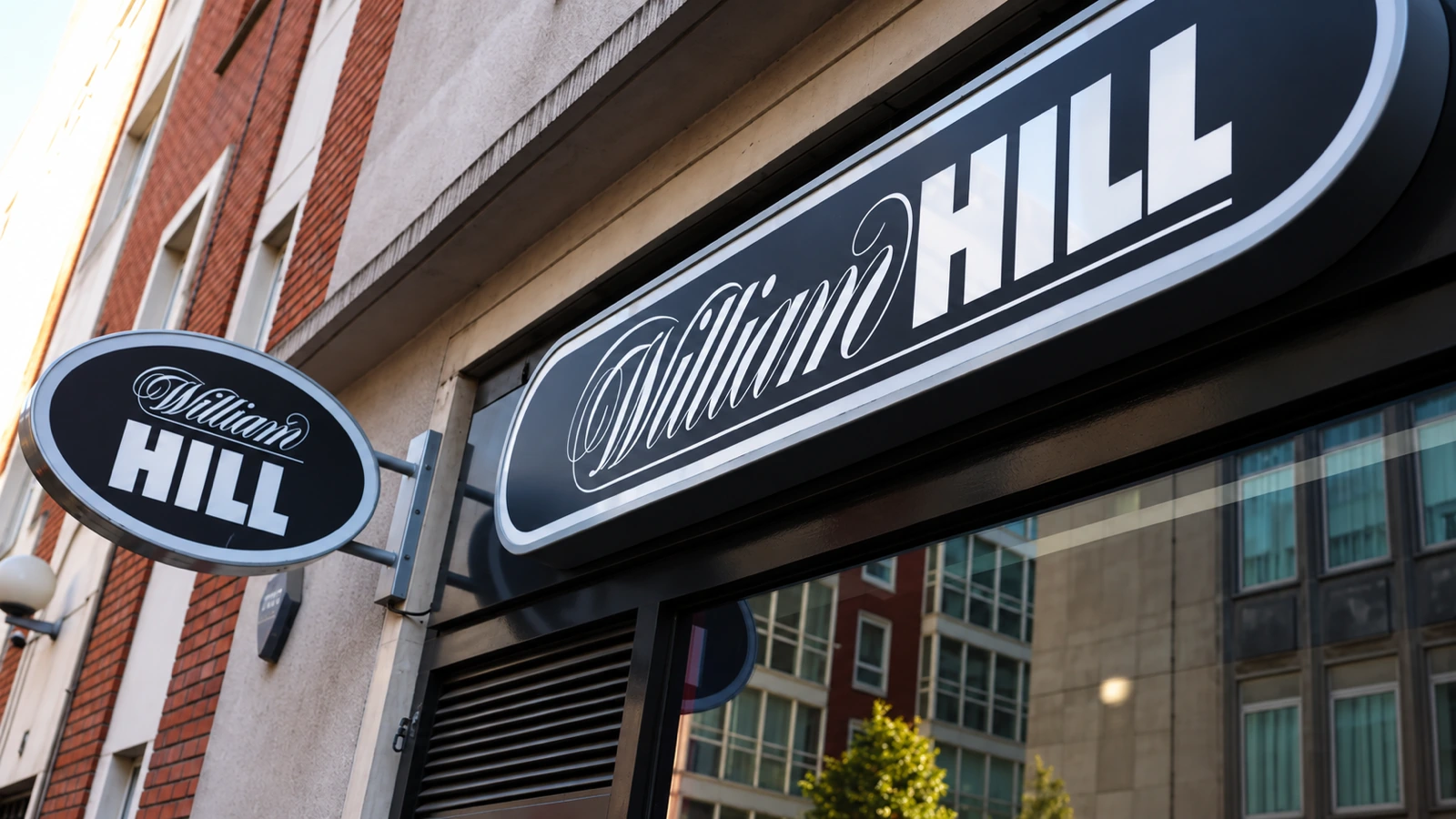
The Government is reportedly considering another substantial increase in gambling taxation, this time targeting gaming machines in betting shops and adult gaming centres. Machine Games Duty on Category B machines could potentially rise to 40%, a move bookmakers warn would make hundreds of high street shops unviable, cost thousands of jobs and inflict further damage on British horse racing.
The Treasury has not yet announced a final policy, but Chancellor John Healey is examining higher Machine Games Duty ahead of the Budget. The Social Market Foundation (SMF), which has been pushing for the change, has proposed a targeted 40% rate and estimates it could generate between £275 million and £458 million in additional tax revenue each year.
Those figures sound substantial in isolation, but the lower and arguably more cautious estimate of £275m is equivalent to less than a fortnight of the estimated wider cost of Britain's asylum system.
Independent research published by AsylumStats in August puts the central estimate for the annual cost associated with the asylum system at £7.97 billion, or approximately £21.8 million every day. The figure goes beyond the Home Office's direct asylum bill and attempts to include associated expenditure elsewhere in government, although parts of the calculation are estimates rather than audited government spending.
On that basis, £275m represents approximately 12.6 days of asylum related expenditure.
The comparison is not suggesting that Machine Games Duty is being introduced specifically to fund asylum spending. Government revenues are not allocated in such a simple way. It does, however, put the sums into perspective. The Government is considering a tax change that the betting industry says could fundamentally damage the economics of Britain's high street bookmakers, while the lower end estimate of the additional revenue it would generate is equivalent to around 13 days of spending in another major area of government expenditure.
Betting Shops Already Pay Tax on Their Machines
Machine Games Duty is not a new tax. HMRC already takes 20% of net takings from machines where the cost of play does not exceed £5, while machines capable of stakes above £5 attract a 25% rate. Lower stake machines meeting specific limits are taxed at 5%.
The SMF proposal would create a targeted 40% rate for Category B machines while seeking to protect lower risk machines commonly found in pubs and other hospitality businesses. Its modelling estimates that such a change would produce between £275m and £458m in additional annual revenue, depending on how customers and operators responded to the increase.
The difficulty for the Treasury is that doubling a tax rate does not mean receipts simply double. Betting shops have to remain open and their customers have to continue using the machines for the Government to collect the additional duty.
Bookmakers argue that this is exactly where the proposal begins to unravel.
Betfred Says It Would Close Nearly 500 Shops
Betfred founder Fred Done has warned that a rise from 20% to 40% would force his company to close 495 of its remaining 1,094 betting shops, with the loss of around 2,575 jobs.
Done also estimates those closures would cost the Exchequer approximately £67m in taxes it already receives, meaning at least some of the additional Machine Games Duty would be offset by lost revenue elsewhere. Betfred's figures are company projections rather than an independent government assessment, but they highlight the problem with looking at the proposed tax increase purely in terms of its headline revenue.
Betfred is already closing 132 shops following earlier increases in costs and taxation. Done has now gone as far as predicting that Britain's high street betting shop industry could disappear altogether by 2030 if the current direction continues.
He is not alone in warning about the consequences. Entain, the owner of Ladbrokes and Coral, says doubling Machine Games Duty to 40% would add around £100m a year to the cost of operating its retail betting business. The company is also preparing to cut around 400 customer service jobs as it responds to what it describes as a challenging regulatory and taxation environment.
Industry modelling commissioned by the Betting and Gaming Council from EY paints an even bleaker picture, estimating that a 40% rate could eventually result in as many as 1,470 betting shop closures and 15,900 job losses. The same modelling claims the knock on consequences could ultimately leave the Exchequer around £120m worse off. These are industry commissioned projections and should be treated as such, rather than as established outcomes, but the scale of the potential impact makes them difficult to ignore.
Horse Racing Could Be Hit Through the Back Door
British horse racing has particular reason to be concerned because the sport remains heavily connected financially to the betting industry.
The Government has already recognised that relationship when setting gambling taxes. Fixed odds bets on horse and greyhound racing remain subject to 15% General Betting Duty, while Remote Gaming Duty has risen to 40%.
Increasing the tax burden on betting shops could nevertheless hit racing indirectly. Fewer shops would potentially mean less betting turnover, reduced media rights income and lower contributions to the Horserace Betting Levy. It could also affect the substantial amounts bookmakers spend sponsoring racecourses, races and racing festivals.
Betfred provides a particularly obvious example. The company sponsors all five British Classics, but Done has said the threat of further taxation means an extension to that agreement has not yet been secured. He argues that if betting shops continue disappearing, racing will inevitably receive less money from bookmakers.
That creates an uncomfortable situation for racing. The Government can protect the sport from a direct increase in betting duty while simultaneously introducing a tax elsewhere that bookmakers say will make large parts of their retail estates economically unsustainable.
If those shops disappear, so does some of the money flowing from them into racing.
Is £275 Million Worth the Potential Damage?
The strongest argument for increasing Machine Games Duty is straightforward: supporters believe these machines generate significant gambling harm and that operators should pay substantially more tax on the profits they produce. The SMF also argues that money diverted away from machine gambling could instead be spent elsewhere in the economy, potentially creating additional employment and tax receipts.
The counterargument is that the Treasury risks taxing an established, regulated industry beyond the point at which many physical businesses remain viable.
At the lower end of the SMF's own modelling, the additional revenue would be £275m a year. Against the AsylumStats central estimate of £21.8m a day, that represents approximately 12 days and 15 hours of the wider annual cost associated with the asylum system. Even the maximum £458m estimate represents only about 21 days.
The eventual Treasury gain could also be lower if the industry's warnings prove accurate. Closed betting shops no longer generate Machine Games Duty, while the Government can also lose employment taxes and other revenues associated with those businesses. Racing could simultaneously lose levy, media rights and sponsorship income, while bookmakers argue that some customers displaced from regulated shops will migrate to unlicensed operators rather than simply stop gambling.
There are competing assessments of how severe those effects would be, and until the Government publishes the details of any tax change and its own impact assessment, claims that hundreds of shops definitely will close should not be treated as established fact. What is clear is that the sums involved need to be considered alongside the potential consequences rather than simply presented as hundreds of millions of pounds of easy additional revenue.
A policy potentially raising £275m sounds enormous until the number is placed alongside the scale of government spending elsewhere. Using the independent AsylumStats estimate, it amounts to around 13 days of Britain's annual asylum related expenditure.
If the price of raising it turns out to be hundreds of closed betting shops, thousands of lost jobs and another substantial financial blow to British horse racing, the question will not simply be how much extra tax the Government collected. It will be how much additional money the Treasury was actually left with once the wider economic damage was taken into account.